
Drug tests are a common procedure in many workplaces, legal proceedings, and sporting contexts to detect substance use. However, the accuracy of these tests is often a source of confusion and concern. Can a test mistakenly detect a drug that wasn’t used? What causes a false positive or negative result? Understanding how these errors happen is key to ensuring that drug testing remains a fair and reliable process.
This guide will break down the science behind false results, debunk common myths, and provide a detailed review of the specific substances that can interfere with a drug test.
Understanding False Positives and False Negatives
First, it’s important to understand the terminology. A false positive is a positive result when testing a negative sample, while a false negative is a negative result when testing a positive sample. While drug tests are designed to be precise, certain factors can interfere with the results.
What Causes a False Positive Drug Test?
A false positive occurs when a test detects a substance that isn’t actually present or misinterprets a legitimate substance for an illicit one. Common causes include:
- Medications: Many prescription and over-the-counter drugs contain compounds that are molecularly similar to illicit drugs. For example, decongestants containing pseudoephedrine can sometimes show up as amphetamines. In many cases, the result isn’t technically “false” because the test is correctly identifying a chemical it’s designed to find, the user just happens to be taking it for legitimate medical reasons.
- Food: Certain foods naturally contain trace chemicals that a drug test might misinterpret. The most famous example is poppy seeds, which can result in a positive test for opioids.
- Testing Sensitivity: Some highly sensitive screening tests may react to substances that share structural similarities with illicit drugs, even if they are harmless.
- Human or Lab Error: Mistakes during sample collection, handling, or processing can lead to incorrect results. Cross-contamination or mislabelling can also be factors.
What Causes a False Negative Drug Test?
False positives
A false negative, where a test fails to detect a substance that is present, poses a significant safety risk. This can happen for several reasons:
- Drug Metabolism & Elimination: Every person’s body processes substances at a different rate. Factors like hydration, metabolic speed, and overall health can affect how long a drug remains detectable in the body.
- Testing Windows: The timeframe in which a drug can be detected varies. If a test is taken outside this detection window, it may come back negative even if the drug was used recently.
- Sample Adulteration or Dilution: A common cause of false negatives is the subject tampering with their sample. This can include watering down a urine sample, using commercially sold “detox” products, or using mouthwash immediately before a saliva test. Modern testing includes adulteration checks to detect this.
- Collection & Testing Errors: Improper sample collection, poor storage, or technical issues with the testing device can all lead to an inaccurate negative result.
The Gold Standard: Confirmation Testing
When a preliminary screening test returns a positive result, it should not be considered definitive. The industry-standard procedure is to send the sample to a laboratory for confirmation testing via gas chromatography/mass spectrometry (GC/MS). This advanced method is highly specific and can distinguish between illicit drugs and other structurally similar compounds, effectively eliminating the chance of a false positive result. It is crucial for any individual undergoing testing to report all prescription and over-the-counter medications to the Medical Review Officer (MRO) to ensure results are interpreted correctly.
An In-Depth Review of Drugs That Cause False Positives
Here is a detailed breakdown of common medications and substances that have been known to cause a false positive result on initial screening tests for specific drug classes.
Amphetamine / Methamphetamine
Some medications contain chemicals that are metabolised into amphetamine or are structurally similar. Common causes include: Adderall (a prescribed amphetamine salt), diet pills, cold medications (like older Sudafed versions and Vick’s Inhaler), antidepressants (Wellbutrin, Prozac), and medications for Parkinson’s disease or high blood pressure. Full List:
- Diet pills: Amfepramone, Amphetaminil, Benzphetamine, Clobenzorex, Fenfluramine, Fenproporex, Mefenorex, Phentermine
- ADHD medication: Ritalin, Dextroamphetamine, Adderall, Benzedrine, Pemoline
- Cold medication: Pseudoephedrine, Phenylephrine, Promethazine, Brompheniramine
- Antidepressants: Bupropion, Fluoxetine, Desipramine, Selegiline, Trazodone
- Other: Labetalol, Amantadine, Chloroquine, Quetiapine, Ranitidine
Opiates / Morphine

The opiate test screens for morphine, which is derived from the poppy plant. Any substance containing or related to morphine can trigger a positive result. Common causes include: Poppy seeds, prescription pain relievers (Codeine, Oxycodone), some cold and cough medicines (Pholcodine), and certain antibiotics. Full List:
- Pain medication: Codeine, Dihydrocodeine, Hydromorphone, Loratab
- Cold Medication: Pholcodine, Hycodan
- Food: Poppy seeds
- Antibiotics: Quinolone, Fluoroquinolone, Rifampicin
- Other: Amisulpride, Chlorpromazine, Diocalm
Marijuana / Cannabis (THC)

While less common, some substances can be mistaken for THC, the active component in marijuana. Common causes can include: The prescription drug Marinol (synthetic THC), some anti-inflammatory drugs (Ibuprofen, Naproxen), certain HIV medications, and proton pump inhibitors used for acid reflux. Full List:
- Vitamins: B-2 Vitamins (Riboflavin)
- Prescription Medication: Marinol, Efavirenz (Sustiva)
- Anti-inflammatory drugs: Ibuprofen, Advil, Motrin, Naproxen, Ketoprofen
- Acid Reflux Medication: Pantoprazole, Omeprazole, Esomeprazole
- Food: Hempseed Oil
Benzodiazepines
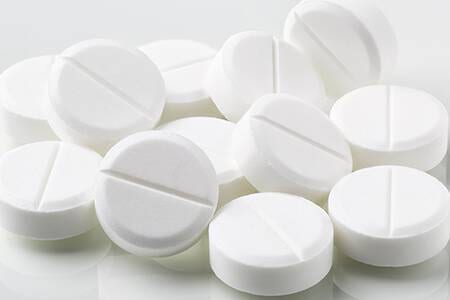
This class of drugs is widely prescribed for anxiety and as muscle relaxants. Many legitimate prescriptions will cause a positive result. Common causes include: Prescription anti-anxiety medications like Xanax, Valium, and Zoloft. The antibiotic Trimethoprim may also interfere. Full List:
- Anti-anxiety medication: Alprazolam (Xanax), Lorazepam, Bromazepam, Diazepam (Valium), Sertraline (Zoloft)
- Antibiotics: Trimethoprim, Sulfamethoxazole
Cocaine

Cocaine is sometimes used as a local anaesthetic in specific medical and dental procedures. Common causes include: Topical use of cocaine during ear, nose, throat, or eye surgery can lead to a positive test for its metabolite, benzoylecgonine, for up to 72 hours. Certain antibiotics like Amoxicillin have also been cited, though this is less common. Novocain, however, is structurally distinct and should not cause a false positive.
What other drugs cause false positives? Here are hundreds of drugs that may cause a false positive on a drug test.
Debunking Common Drug Testing Myths
Misinformation can create unnecessary worry. Here are the facts behind two common myths:
- Myth: Can secondhand smoke trigger a positive drug test?
- Fact: No. Casual exposure to secondhand smoke, whether from cannabis or tobacco, is extremely unlikely to cause a positive test. It would require prolonged, high-level exposure in an unventilated, enclosed space to even be a remote possibility.
- Myth: Do water and detox products guarantee a negative drug test?
- Fact: No. While drinking excessive water can dilute a urine sample, most modern tests can detect overly diluted samples and will flag them. Commercial detox products are unreliable and do not effectively eliminate substances from the body, despite their marketing claims.
Ensuring Accuracy and Fairness
Both urine and saliva drug tests can produce false positive or negative results on initial screens. Understanding the reasons, from prescription medications to testing errors, is crucial for everyone involved in the process. Individuals should always disclose any medications they are taking, and employers should always use a follow-up GC/MS confirmation test for any non-negative results to ensure accuracy. By following proper procedures and remaining informed, we can ensure the drug testing process is both reliable and fair.
Reference
https://www.askdocweb.com/falsepositives/#Substances_that_may_cause_a_false_positive
Please contact me here if you have any questions or comments, and I will get back to you asap.